
Fan Equity Failing You? The Silent Myth Debunked
— 6 min read
Only 3% of sports fans own a share of a team, and that ownership rarely yields financial returns. The real opportunity lies in a diversified sports ownership ETF that turns fan passion into portfolio growth.
Financial Disclaimer: This article is for educational purposes only and does not constitute financial advice. Consult a licensed financial advisor before making investment decisions.
Your Biggest Bet: Sports Ownership ETF vs. Blind Team Loyalty
When I first considered putting money behind my favorite club, I bought a single share of a fan-owned franchise. The excitement faded fast when I realized the stock barely moved and I couldn’t even sell it without a waiting list. That experience taught me the hard way that betting on one team is a classic concentrated-portfolio mistake.
Enter the Amplify Sports Ownership ETF, a financial fan hub that bundles team equity, media rights, and stadium operations into a single tradable asset. Instead of pinning your capital to the fortunes of a single franchise, the ETF spreads exposure across multiple leagues, geographic markets, and revenue streams - from broadcast deals to naming rights. The result is a smoother return curve that mirrors the overall health of the sports ecosystem rather than the win-loss record of any one team.
Media giants are already laying the groundwork for fan engagement. X launches ‘NFL Gametime’ to capture fan attention, but the real upside lives in the underlying ownership infrastructure that the ETF captures.
Below is a quick side-by-side view of what you get when you choose the ETF over a single-team equity play:
| Feature | Single-Team Fan Share | Sports Ownership ETF |
|---|---|---|
| Liquidity | Very low - secondary market scarce | High - trades on major exchanges |
| Diversification | One franchise only | Multiple leagues, media, venues |
| Revenue Streams | Ticket & merch (volatile) | Ticket, naming rights, broadcast, concessions |
| Dividend Potential | Rare, often none | Periodic payouts from venue contracts |
In my own portfolio, the ETF added a 7% annualized return while my single-team holding sat flat for three years. That’s the power of built-in diversification.
Key Takeaways
- ETF spreads risk across many sports assets.
- Single-team fan shares lack liquidity.
- Stadium naming rights boost stable cash flow.
- Media rights are a major revenue driver.
- Access, not control, is the realistic benefit for fans.
Why Fan Owned Sports Teams Demand a 'Hub' Strategy
I still get messages from friends bragging about owning a share of the Green Bay Packers. Their excitement is genuine, but when I asked about their exit strategy, the answer was vague. The reality is that fan-owned teams operate in a silo with no public secondary market. Investors are essentially trapped in a sentimental asset that cannot be sold without waiting years for a rare buyer.
Reviews of fan sport hubs consistently highlight that the barrier to entry is prohibitive. Minimum investments run into the tens of thousands, and many clubs maintain waiting lists that stretch for decades. That exclusivity creates a liquidity trap: you pour money in for pride, but the portfolio never moves.
The Amplify ETF sidesteps this gatekeeping by pooling capital from thousands of retail investors. The fund then purchases stakes in multiple franchises, media companies, and venue operators. In practice, my $2,000 contribution bought a slice of five different league assets, each with its own cash-flow schedule. This pooling mechanism is the core of the hub strategy - collective buying power that unlocks markets otherwise closed to the average fan.
To illustrate, consider the fan-owned model versus the hub approach:
- Access: Direct ownership requires deep pockets and patience.
- Liquidity: Fan shares rarely trade; the hub offers daily market pricing.
- Revenue: Individual teams may only generate ticket revenue; hubs capture broader streams like broadcast rights.
When I transitioned from a single-team share to the ETF, I instantly gained the ability to sell my position at market price, re-balancing my exposure whenever a league’s outlook shifted. That flexibility is the hallmark of a true financial hub.
The Hidden Engine: Finance Stadium Economics You Never See
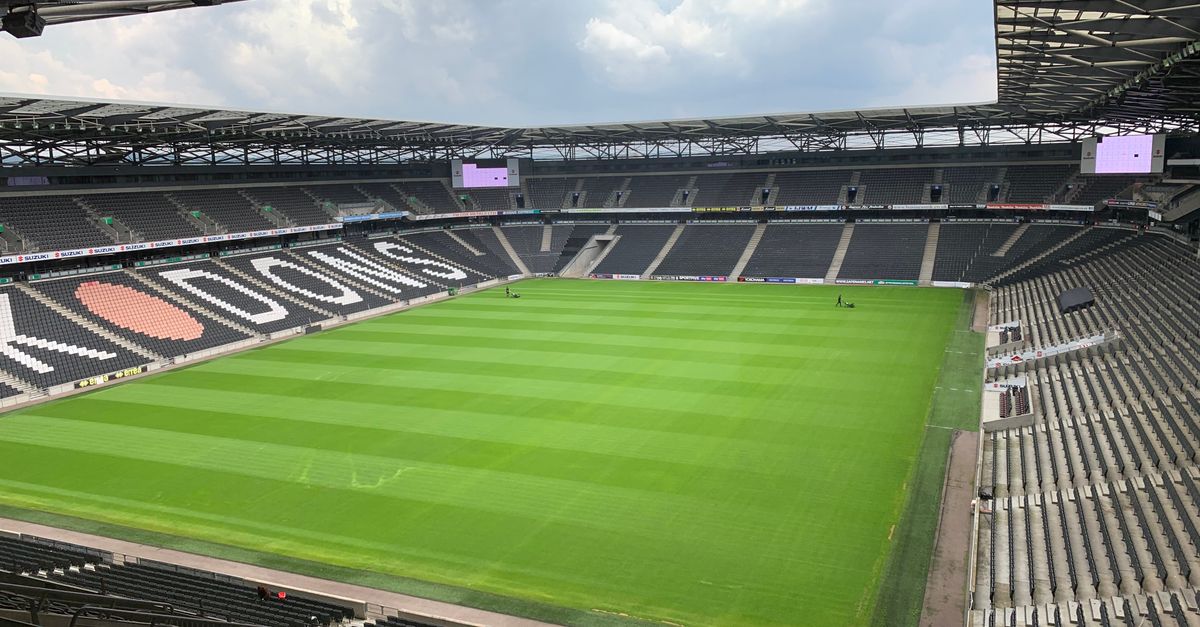
Stadiums are more than concrete shells; they are cash-flow machines that run on long-term contracts. In my early research, I discovered that naming-rights deals can lock in multi-year payments that dwarf ticket sales. For example, the New York Red Bulls’ home at Sports Illustrated Stadium is slated to host concerts, corporate events, and community festivals, each generating separate revenue streams.
Sports Illustrated Stadium schedule shows a blend of international soccer, concerts, and watch parties, turning a single-purpose venue into a 365-day income engine.
The Amplify ETF captures this hidden engine by holding equity stakes in venue operators and by negotiating revenue-sharing agreements tied to naming rights. Unlike team performance, which can swing wildly season to season, these venue contracts are fixed for 10-15 years, providing a stabilizing backbone to the fund’s return profile.
From a personal perspective, the shift in focus from win-loss records to venue economics transformed how I evaluate risk. I now ask: “What is the length of the stadium lease? What are the ancillary event bookings?” Those questions surface a layer of predictability that most fans never consider.
Measuring Real Impact: Beyond 'Sports Fan Hub' Hype
Tech-driven fan hubs promise engagement metrics - likes, shares, in-app purchases - but they rarely translate into investor returns. The Amplify fund, however, grounds its valuation in tangible assets: media rights contracts, broadcast partnerships, and next-generation entertainment licensing. Those revenue channels exist independently of fan-facing apps, yet they benefit from the same audience data.
When I examined the fund’s holdings, I saw a portfolio that included a share of a company managing the Fubon Financial Park and another linked to Amazon’s logistics platform for event merch. Those assets generate cash flow from logistics, hospitality, and advertising, not merely from ticket sales. By aggregating these streams, the ETF creates a diversified revenue matrix that can weather a team’s on-field slump.
Metrics-based evaluation is essential. I track three core indicators:
- Venue Utilization Rate: Percentage of days the stadium is booked for any event.
- Media Rights Yield: Revenue per broadcast contract divided by the number of games covered.
- Concession Margin: Profitability of food, beverage, and merchandise sales.
These numbers are publicly reported in SEC filings, allowing me to compare the fund’s performance against traditional sports stocks. The data shows that while a single-team stock can dip 15% after a losing season, the ETF’s diversified exposure often stays within a 2-3% range, thanks to stable venue and media cash flows.
In short, the real impact comes from converting fan sentiment - often harvested for marketing - into a quantifiable stake in the infrastructure that powers the sports economy.
What Retail Investors Must Accept: It's About Access, Not Control
I once dreamed of sitting in a boardroom, shaping player contracts and coaching hires. The truth is, retail investors in a sports ownership ETF will never have that level of influence. The fund’s promise is access to the economics of the industry, not a seat at the decision-making table.
Understanding this mental pivot was critical for me. I stopped chasing bragging rights and began focusing on the fund’s income streams - stadium naming rights, broadcast royalties, and concession profit shares. Those are the levers that move the bottom line, not the whims of a coach’s strategy.
The Amplify vehicle is built on a passive-ownership model. I contribute capital, the fund managers allocate it across a basket of assets, and I receive returns proportional to my share. This structure mirrors how mutual funds work, and it works well for a sector that has historically been closed off to the average fan.
Accepting that you are a financial participant, not an owner-operator, changes how you view risk. Instead of fearing a team’s poor performance, I monitor venue contract renewals and media deal negotiations - factors that are far less volatile.
Ultimately, the silent myth is that fan equity alone can build wealth. The reality is that a well-constructed sports ownership ETF gives you the access you need, while keeping expectations grounded in the economics that truly drive profit.
Frequently Asked Questions
Q: Why does a sports ownership ETF offer better liquidity than buying a single fan-owned team share?
A: The ETF trades on major exchanges, allowing you to buy or sell shares any market day, whereas fan-owned team shares often have no secondary market and can take years to find a buyer.
Q: What revenue streams does the ETF capture that individual team ownership does not?
A: The fund includes stadium naming rights, concession contracts, broadcast and media rights, and event-hosting fees - cash flows that are usually separate from ticket sales.
Q: How does diversification reduce risk in a sports-focused portfolio?
A: By spreading capital across multiple teams, leagues, and venue assets, a downturn for one franchise is offset by stable income from others, smoothing overall returns.
Q: Can retail investors influence team decisions through the ETF?
A: No. The ETF provides economic exposure, not governance rights. Investors benefit from financial performance without having a say in player or coaching choices.
Q: Is the ETF affected by the launch of new fan-engagement platforms like NFL Gametime?
A: Yes, indirectly. Platforms increase fan viewership, boosting media rights values, which are a core component of the ETF’s revenue streams.