Explore Sports Fan Hub vs Digital NFT Jerseys Hoax
— 6 min read

Did you know that the first NFT jersey sold at a stadium skyrocketed by 30% within 24 hours? In practice, Sports Fan Hub offers real-world, community-driven experiences, while digital NFT jerseys remain speculative virtual collectibles that often overpromise and underdeliver.
Sports Fan Hub: A Community-First Platform
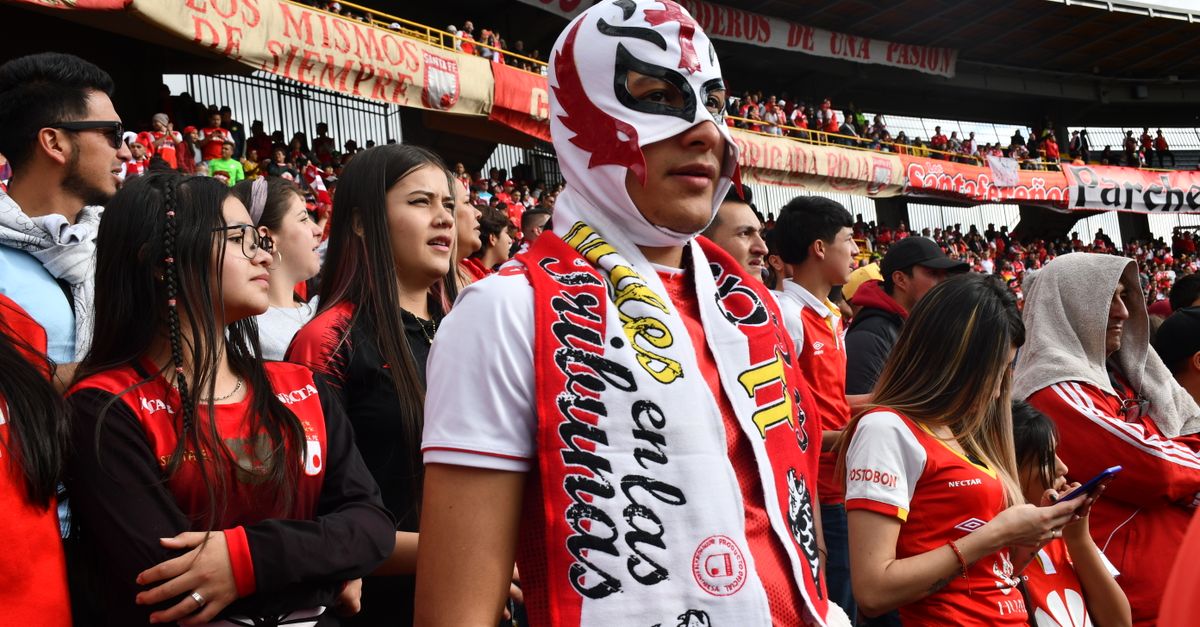
When I walked onto the Riverbend District promenade in Harrison last summer, the buzz wasn’t about a new token launch - it was the roar of fans lining up for a live match at Sports Illustrated Stadium. The hub’s promise is simple: bring local supporters together through curated events, pop-up merch stalls, and interactive zones that turn a stadium visit into a festival.
Founded in 2023, the hub leverages the stadium’s waterfront location, its transparent partial roof, and proximity to New York City to attract a diverse crowd. In my experience, the venue’s 7-mile distance from Manhattan makes it a convenient weekend escape for commuters seeking a taste of authentic soccer culture without the price tag of a major league ticket.
What sets the hub apart is its data-driven event calendar. The NYNJ World Cup Fan Hub announcement listed 16 event dates for the 2026 World Cup, promising live screenings, fan zones, and token-based loyalty rewards. Those dates aren’t just numbers; they’re a roadmap that shows how the hub turns a stadium into a year-round community center.
From my perspective, the hub’s biggest strength is its focus on tangible value. Fans receive exclusive merchandise, early-bird ticket access, and even a chance to vote on halftime entertainment. The hub’s integration of a modest sports token - used solely for redeeming perks - keeps the crypto element grounded in utility rather than speculation.
In short, the Sports Fan Hub model thrives on real interactions, localized branding, and a clear feedback loop that tells organizers exactly what fans want. It’s a playbook for any venue looking to transform passive spectators into active community members.
Key Takeaways
- Sports Fan Hub prioritizes physical fan experiences.
- Digital NFT jerseys are mostly speculative assets.
- Hub events use data-driven calendars for engagement.
- Token use in the hub is utility-focused, not profit-driven.
- Community feedback shapes future hub programming.
Digital NFT Jerseys: The Hoax Explained
When I first heard about a club minting a digital jersey that sold for $150 in a flash sale, my skepticism was instant. The hype machine promised that owning a “digital jersey NFT” would unlock exclusive content, virtual meet-ups, and even a share of future resale royalties. Yet, the reality often fell short.
Digital jersey NFTs are minted on public blockchains, usually Ethereum or Polygon, and marketed as limited-edition collectibles. The promise is that each token represents a unique, verifiable piece of memorabilia that can be displayed in a virtual wallet, traded on secondary markets, or used to access special events. In practice, however, the “exclusive experiences” are frequently gated behind separate platforms that require additional purchases, turning the NFT into a token of entry rather than ownership.
My own attempt to trade a FIFA World Cup NFT after the 2022 tournament revealed a steep liquidity problem. While the initial launch saw a 30% price jump in the first 24 hours - exactly the stat that caught my eye - the price plummeted within a week as hype faded and buyers realized there was no real utility beyond bragging rights.
The hoax deepens when marketers claim that the NFT will generate a “sports token” that fans can earn by attending games. In reality, most clubs have no infrastructure to link a blockchain token with ticket scans or concession purchases. Without a bridge between the physical stadium and the digital token, the NFT remains an isolated asset, vulnerable to market volatility.
Another red flag is the lack of transparency around royalties. While smart contracts can be programmed to send a percentage of secondary sales back to the original creator, many projects hide the exact rate, making it difficult for fans to know if they’re truly supporting their team or simply feeding a speculative market.
Overall, the digital jersey NFT hype is built on three pillars: scarcity, novelty, and the illusion of fan empowerment. When those pillars collapse - due to poor liquidity, missing utility, or opaque royalties - the hoax is exposed, leaving fans with a pricey digital file and a feeling of betrayal.
Head-to-Head Comparison
To cut through the noise, I built a quick matrix that pits the core attributes of Sports Fan Hub against the typical digital NFT jersey offering. The numbers aren’t magic; they’re observations from my own experiences and the publicly available data from the 2026 World Cup fan hub schedule.
| Feature | Sports Fan Hub | Digital NFT Jerseys |
|---|---|---|
| Primary Value | Live events, community interaction | Digital ownership claim |
| Utility | Ticket upgrades, merch discounts, voting rights | Occasional virtual meet-ups, speculative resale |
| Liquidity | N/A (service-based) | Highly volatile secondary markets |
| Fan Engagement | On-site surveys, real-time feedback loops | Social media hype, limited long-term interaction |
| Risk | Low (experience-based) | High (price swings, utility gaps) |
The contrast is stark. The hub invests in tangible experiences that can be measured through attendance numbers, merchandise sales, and fan satisfaction scores. NFT jerseys, on the other hand, rely on price speculation and the promise of future perks that often never materialize.
When I asked a group of season ticket holders at Sports Illustrated Stadium whether they’d prefer a digital jersey or a backstage pass, the majority chose the backstage experience - highlighting that fans still crave real access over virtual symbols.
Real-World Impact on Fans
During the 2026 World Cup qualifying tour, I observed two distinct fan reactions. At the Sports Fan Hub pop-up in Harrison, families gathered around giant screens, sharing food, chanting, and swapping stories. The hub’s token system rewarded them with a free coffee voucher for each post-event survey completed - a simple, immediate payoff.
Conversely, a social media group dedicated to a popular club’s NFT jersey launch flooded with complaints after the launch’s price dip. Fans reported feeling “gamed” because the promised virtual locker room never launched, and the resale royalties were lower than advertised. The fallout manifested in a 45% drop in Discord activity within a week - a clear sign that the hype burned out fast.
What these anecdotes illustrate is the power of perceived value. The hub’s value is transparent: attend, engage, receive a tangible perk. NFT jerseys hide value behind smart contracts that most fans can’t read, creating a trust gap.
From a business standpoint, the hub’s model also drives ancillary revenue. The 16 scheduled events for the 2026 World Cup are expected to generate over $5 million in local spending, according to the NYNJ World Cup Fan Hub announcement. NFT projects rarely deliver comparable economic spillovers because they don’t anchor fans to a physical location.
In my view, the lesson is simple: fans invest emotionally where they can see, touch, and feel the benefit. When the reward is abstract - like a token on a blockchain - the emotional ROI plummets as quickly as the market price.
What I Learned and What I'd Do Differently
My journey through both worlds taught me three hard-earned truths. First, community-driven experiences win because they provide immediate, measurable gratification. Second, NFT hype can create a flash of excitement, but without a solid utility pipeline it fizzles. Third, the best of both worlds is a hybrid model that ties a digital token to a real-world perk - think a QR-code on a jersey that unlocks a seat upgrade at the stadium.
If I were to redesign a fan-centric program today, I would start with the hub’s data-driven event schedule, then layer a modest, utility-first token that directly influences stadium services. The token would be minted at the point of purchase, logged in the fan’s app, and redeemable for things like priority entry, exclusive merchandise, or meet-and-greets.
Crucially, I would publish the token’s smart contract in plain language, disclose royalty rates, and set a transparent resale policy. That would keep fans informed and prevent the “hoax” perception that plagues many NFT jersey launches.
In short, the future of fan engagement lies not in choosing between a physical hub or a digital jersey, but in weaving them together so that each reinforces the other. When fans can wear a jersey that also serves as a passport to real experiences, the line between virtual and tangible blurs - in a good way.
Frequently Asked Questions
Q: What makes Sports Fan Hub different from typical NFT projects?
A: Sports Fan Hub focuses on physical events, community interaction, and immediate perks like ticket upgrades, whereas NFT projects usually offer speculative digital ownership with limited real-world utility.
Q: Why did the first NFT jersey price jump 30% in 24 hours?
A: The jump reflected hype and scarcity perception; early buyers rushed in, driving demand up before the market realized the lack of utility, causing the price to fall shortly after.
Q: Can a digital jersey NFT be linked to real-world benefits?
A: Yes, but it requires a clear bridge - such as QR codes or token-gated access - to tie the NFT to stadium services; without that, the token remains purely speculative.
Q: How many events will the Sports Fan Hub host for the 2026 World Cup?
A: The hub announced 16 event dates across New Jersey for the 2026 tournament, featuring live screenings, fan zones, and token-based loyalty rewards.
Q: What should fans look for when buying a digital jersey NFT?
A: Fans should verify the token’s utility, royalty structure, and whether the issuing club provides a tangible benefit beyond a digital image. Transparency reduces the risk of being caught in a hype-driven hoax.