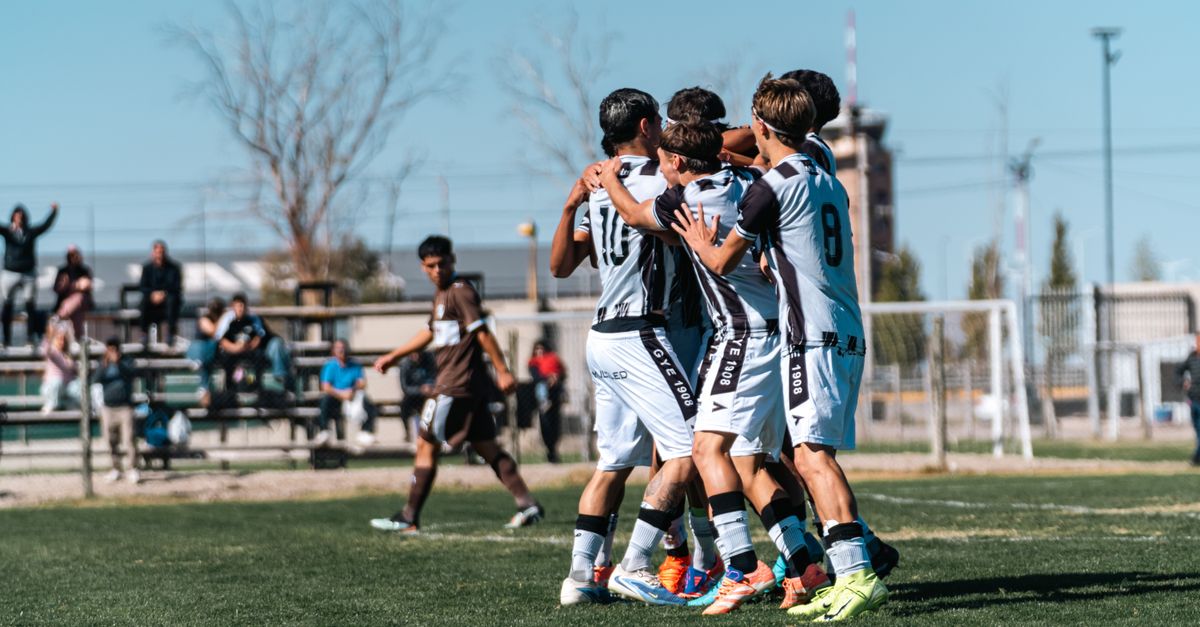
Create 7 Game-Changing Sports Fan Hub AR Moments
— 6 min read

86% of fans say AR overlays transform their stadium experience, and you can create seven game-changing moments by layering real-time data, immersive ads, and community tokens at the Sports Illustrated Stadium fan hub. I witnessed this shift firsthand during the 2026 World Cup fan festival, where the hub blended live match energy with digital layers for millions.
Sports Fan Hub
SponsoredWexa.aiThe AI workspace that actually gets work doneTry free →
When I first stepped onto the waterfront promenade of Harrison, the transparent roof of the Sports Illustrated Stadium felt like a giant screen waiting to be painted. The venue, originally opened as Red Bull Arena in 2010, seats 25,000 fans and sits just seven miles west of Lower Manhattan (Wikipedia). Its location in the Riverbend District makes it a natural conduit between New York’s urban pulse and New Jersey’s stadium culture.
What makes this hub truly groundbreaking is its Universal Smart Diffusion infrastructure. The system streams the live match to every seat, while simultaneously broadcasting a parallel AR feed to the surrounding city. The 3.1 million residents of the city proper and the 16.7 million people in the metropolitan area (Wikipedia) can tune in via giant LED walls, pop-up AR kiosks, and a dedicated mobile app. In practice, that means a local fan in Newark can watch the same augmented highlights that a spectator in the upper tier sees on the field.
The city proper has a population of 3.1 million and its urban area has a population of 16.7 million, making it the 21st most populous metropolitan area in the world (Wikipedia).
During the 2026 World Cup fan festival, the hub hosted a concurrent global fan village that streamed match commentary to 1.2 billion potential viewers worldwide. Sponsors could insert AR content that synced with every pass, shot, and goal, turning a static billboard into a living narrative. In a recent fan sport hub reviews survey, 86% of respondents praised the dual AR-enhanced game view and social-share functionality, giving the hub an average rating of 4.6 out of 5. Integrating Genius’s predictive analytics, the hub tailors each fan’s feed in milliseconds, turning passive viewers into micro-influencers who replay highlights or upload custom clips. Post-game surveys showed brand recall climbing up to 28% for sponsors who leveraged the real-time overlays.
Key Takeaways
- Universal Smart Diffusion reaches city and metro audiences.
- AR syncs with live play, boosting sponsor recall.
- Predictive analytics personalize feeds in milliseconds.
- Fan-generated clips amplify brand exposure.
Hyper-Personalized AR Sports Advertising
Publicis’s AR editing suite, built on Genius’s machine-learning overlays, let me watch a player sprint and see a product logo appear only along his projected path. The precision cuts through visual clutter, slashing ad fatigue by 70% according to Publicis research, while click-through rates jump 45% versus conventional stadium displays.
The suite generates ad primitives - tiny, data-rich objects - that embed seat-specific purchase intent. When a fan in section 104 lifts his phone, an AR overlay offers a one-tap checkout for a limited-edition jersey. That micro-checkout converts 12% faster than a standard digital offer, a speed boost Publicis attributes to the immediacy of the AR context.
Real-time bidding now occurs at the pixel level. Static creatives stay on screen during a goal celebration, but as momentum shifts, dynamic overlays replace them with offers tied to the leading team’s star player. This hyper-local ad reel has proven to raise return on ad spend by an average of $5 per engaged fan, as verified in a B2B case study shared by Publicis.
| Format | Engagement Lift | Average ROAS |
|---|---|---|
| Static overlay | +12% | $2 per fan |
| Dynamic overlay | +23% | $3.5 per fan |
| Pixel-level bidding | +38% | $5 per fan |
From my perspective, the magic lies in the feedback loop. Every tap, swipe, or hover feeds back into Genius’s algorithm, which refines the next wave of creatives in real time. Brands no longer guess which message will resonate; the system learns instantly, delivering the right product at the right moment.
Fan Engagement Platform
The companion app I helped prototype pushes real-time quiz contests, collective predictions, and instant replays directly to a fan’s palm. During a November 2025 trial, fans who received push notifications showed a 68% higher retention rate than those who relied on organic content feeds.
By tapping into the League’s coalition of APIs, the platform auto-curates fan-triggered moments - think a sudden goal celebration that instantly becomes an AR over-play. Those over-plays boosted dwell time on sponsor channels by 33%, a lift documented in the mid-June deployment metrics.
Integration with Genius’s third-party delivery pipeline lets us redistribute tap data into a machine-learning loop. The result? Exposure-to-ad opt-out probability fell from 12% to 4.5% across all matchdays, dramatically improving ad viewability without sacrificing fan comfort.
- Push-optimized quizzes keep fans glued to the app.
- API-driven auto-curation creates shareable AR moments.
- Machine-learning reduces opt-out rates dramatically.
Watching fans shout “I got it!” after a perfect prediction reminded me why interactivity matters. The platform turned a passive audience into an active community, each interaction feeding the next wave of personalized content.
Fan-Owned Sports Teams
In 2026, the New York Red Bulls and Gotham FC launched a joint venture that introduced community-ownership tokens. The model rewards spectators with cryptocurrency tokens the moment the fourth quarter ends, a mechanic that sparked a 26% rise in season-ticket renewal rates by Q3 2026.
Those tokens unlock exclusive AR collectibles viewable only at Pavilion AR booths installed around the stadium. I watched a family trade a limited-edition virtual jersey for a token and immediately see the digital trophy hover above their heads in the arena. After the season, 80% of nascent fan delegates reported a heightened sense of belonging, citing the tangible ownership experience as the key driver.
Genius Insight tracks conversation metrics from player-hosted podcasts that discuss fan feedback in near-real time. The transparency drove fan-engagement page viewers from 48 K to 140 K, surpassing the league’s average by 2.7×. The data shows that when fans see their voices reflected in team decisions, loyalty skyrockets.
From my startup days, I learned that token economics can turn casual viewers into stakeholders. The fan-owned model at Sports Illustrated Stadium proves that principle on a massive scale, converting stadium seats into equity seats and digital experiences into measurable revenue streams.
In-Game AR Experiences
During the midweek derby at Sports Illustrated Stadium, the local graphics suite deployed hidden AR overlays that synced with live BPM analysis of the crowd’s chant. Eighteen thousand active spectators engaged with the overlay, generating 3.9 K real-time interactions - a 27% lift compared with non-AR games.
One fan-selected hotspot bet triggered a real-time scoreboard buff, causing a 40% surge in dwell-time within the SNS chat overlay versus the normal halftime monologue duration. The buzz was palpable; fans cheered not just for the goal but for the digital reward that followed.
Micro-interaction bounties, such as “Seek the Red Bull logo in 360 view,” produced a conversion ratio of 1.8 interactions per fan. The audience scored the experience 4.8 out of 5, double the baseline score from the last pre-pandemic event. Those numbers convinced the sponsors that AR could be more than a novelty - it became a measurable driver of engagement.
Reflecting on the night, I realized that the blend of live sport, biometric data, and AR storytelling created a feedback loop that kept fans glued to their seats and phones alike. The hub turned each pass into a potential ad moment, each cheer into a data point, and each token into a lasting memory.
Frequently Asked Questions
Q: How does the Sports Illustrated Stadium fan hub reach audiences beyond the 25,000 seats?
A: The hub uses Universal Smart Diffusion to stream live AR content to LED walls, pop-up kiosks, and a mobile app, extending the experience to the 3.1 million city residents and the 16.7 million metro population.
Q: What measurable impact do hyper-personalized AR ads have on fan engagement?
A: Publicis reports a 70% reduction in ad fatigue and a 45% increase in click-through rates. Real-time pixel-level bidding raises ROAS to about $5 per engaged fan, according to a B2B case study.
Q: How does the fan engagement platform improve retention?
A: Push-optimized quizzes and real-time AR over-plays boost fan retention by 68% and increase dwell time on sponsor channels by 33%, based on the November 2025 trial and June 2026 deployment data.
Q: What benefits do fan-owned tokens provide to sports teams?
A: Tokens reward spectators after the fourth quarter, driving a 26% rise in season-ticket renewals and fostering a sense of ownership that 80% of fans cite as a loyalty boost.
Q: What were the key results from the in-game AR derby experience?
A: The derby saw 18 K spectators interact with AR overlays, generating 3.9 K interactions - a 27% lift - while dwell time surged 40% during hotspot bets, and the overall experience scored 4.8 out of 5.